
Travel
“Useful for guests” is not enough to win a hotel
A walking app can make a trip better and still be a hard sell to a hotel. What’s usually missing is the hotel’s own reason to take part.
4NLab · 2026-10-21
A good idea with a distribution problem
A founder recently walked us through a walking navigation app: routes, nearby places, transit and safety reports from other users, all built for people on foot. It sounded useful. The hard question was how to get it into travelers' hands.
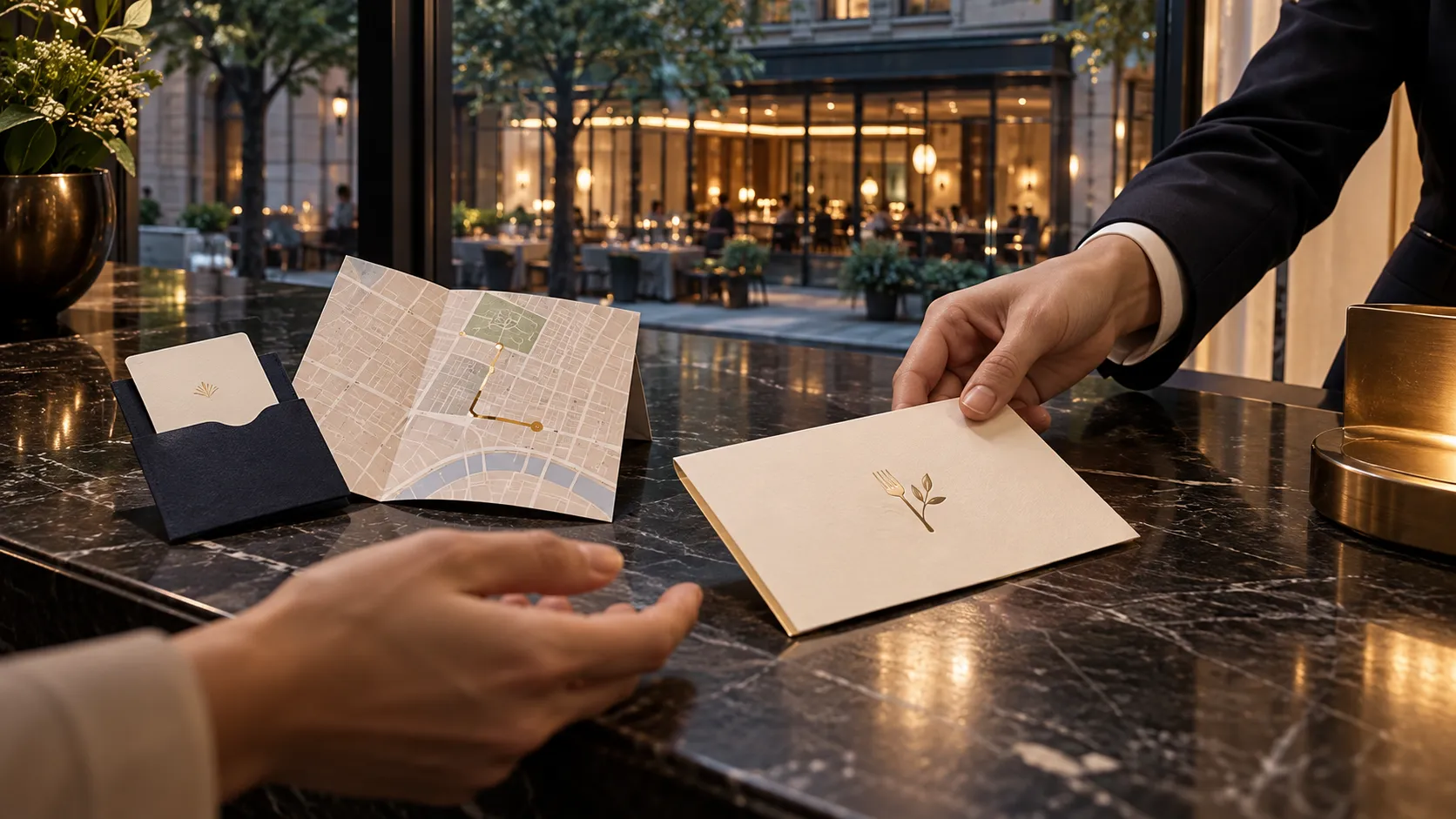
One idea was the hotel. Put an exploration link in the booking confirmation and help guests discover the neighborhood. For the app, that's convenient distribution. For the hotel, it's a recommendation made under its own name.
Those are two different deals, and a happy guest is only part of what the hotel is weighing.
A recommendation has a cost
Say a guest follows the route and has a bad time. The restaurant is disappointing, or the walk feels uncomfortable, or something worse happens. The guest may well complain to the hotel that sent them, even though the hotel didn't build the app.
You don't need a legal argument about responsibility to see the problem. It's about reputation and workload. The hotel can fairly ask who handles complaints, who keeps the recommendations up to date, and what happens when the information is wrong.
A commission doesn't answer those questions. Neither does calling a route safe. Reports from other walkers give context, but they can't promise what a guest will run into.
The app gets distribution. The hotel lends its reputation.
Give the hotel a reason to take part
We suggested starting with the businesses along the route. Would a restaurant offer guests something worthwhile in exchange for a visit it can track? Would it pay for business it wouldn't otherwise get? Could part of that money go back to the hotel that sent the guest?
Now the hotel has something it can actually evaluate: an offer for its guests, a possible revenue stream and a defined process. The app connects everyone and measures what happens.
The deal still has to work for the restaurant. Paying for diners who would have walked in anyway is very different from paying for new ones, so attribution and margins matter as much as the route.
Try one route before asking for the booking email
We'd start small: a few participating businesses, one hotel, and a route the staff can check for themselves. A sign in the lobby asks much less of a hotel than a slot in every confirmation email, and it's easy to pause or change.
Track scans, redemptions, completed visits where you can measure them, commissions and complaints. Give the front desk a short explanation and a named person to call when something goes wrong. And say clearly which recommendations are paid, so guests can judge the offer.
Early terms might favor the hotel to win distribution. That's fine as a deliberate pilot decision with a path to sustainable economics. It's not fine as a hope that scale will fix the margins later.
The deal has to work for both sides
We doubt an occasional traveler will pay for a subscription to an app they use on a few trips a year. A free entry point is easier to test, but it leaves the business model unsolved.
The same lesson applies to most hotel add-ons. Helping the guest doesn't make the hotel a willing sales channel. The hotel is putting in attention, staff time and trust, and it wants to know what it gets back. Answer the commercial question and the operational worries together, and a useful product has a chance of becoming a partnership.